

At Langley, we believe that our work is an opportunity to reflect God’s love.
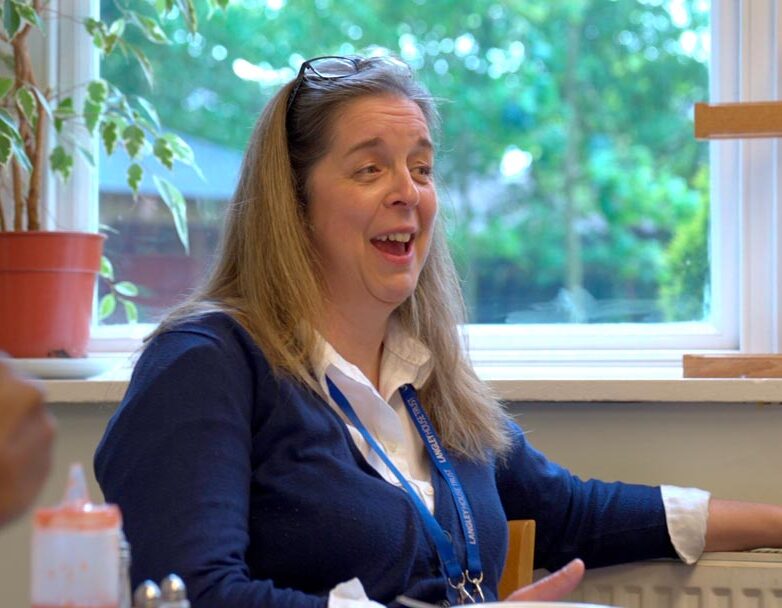
This principle shapes our work with our clients. Lisa, one of our service managers, shares some details of how they support clients at Longcroft in Lancaster. You can watch a video of Lisa here. We started by asking Lisa to describe Longcroft her own words…
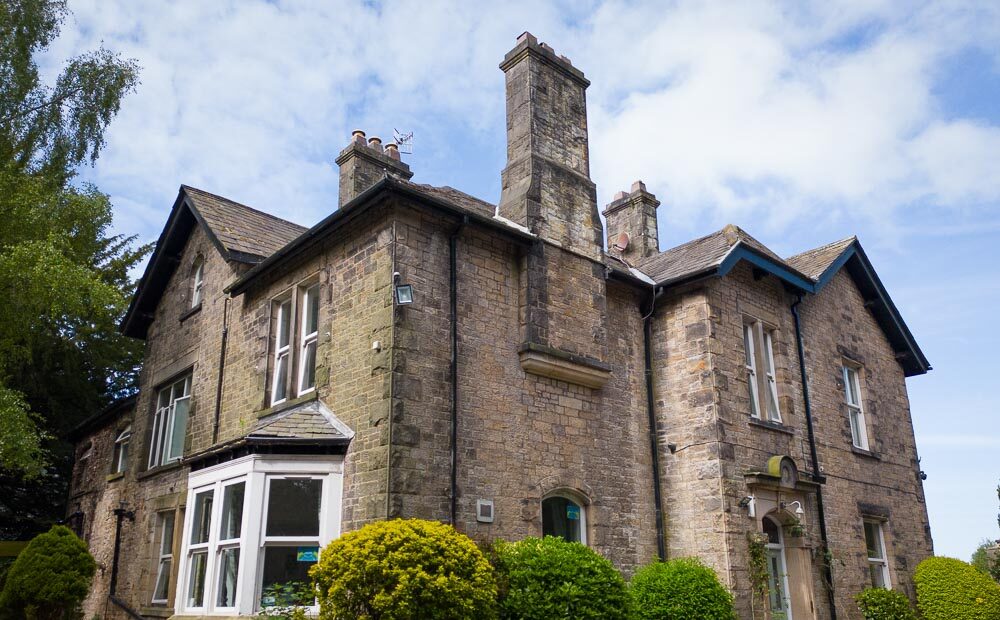
Clinically Longcroft is a registered care home for people with convictions and complex health needs. This could be mental health, personality disorders, addiction problems and/or physical health needs. But for me, it’s more than that. I’ve always tried to create a home that is a safe, caring, happy environment for clients and staff – and I think we’ve achieved that. It’s a great place to work and clients often say that it’s the first time they’ve felt truly cared for.
What kind of support do your clients typically need?
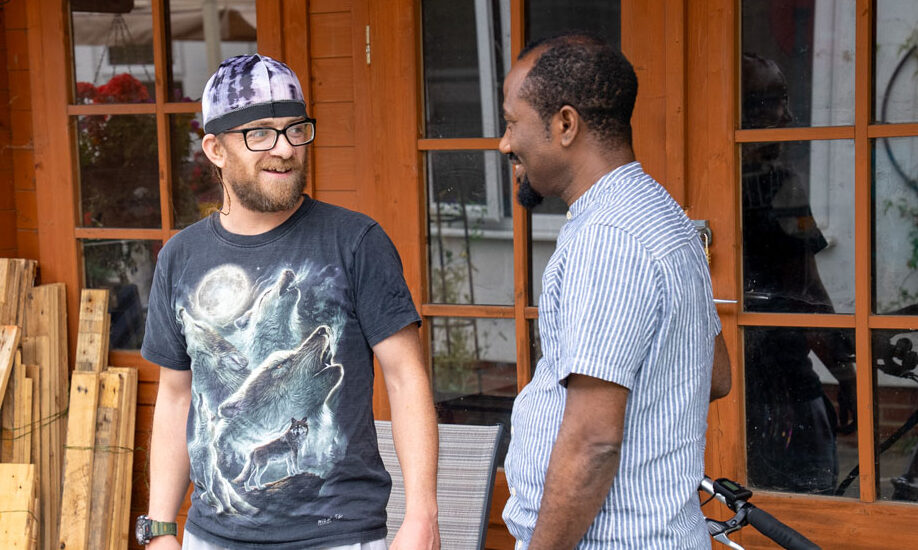
Some are reasonably independent, but many struggle with basic life skills – personal hygiene, managing medication, budgeting, cooking, even knowing how to occupy themselves.
We support them with these essential tasks as well as longer-term goals.
What does key working look like for clients and staff?
Each client has a key worker – we work hard to match staff and clients based on experience and personality. Key workers build rapport through weekly sessions with clients. It’s all about understanding their needs, setting goals, and being that consistent point of contact. They create Integrated Care Plans that are very detailed and tailored to each individual – capturing how their clients wants to be supported, even down to how they prefer to be communicated with.

Tell us about meaningful activities and why these are so important
The reality is, if left to their own devices, many clients would revert to old habits — drinking, drugs, or criminal activity. Meaningful activities are one way to support them, and they consist of a variety of things that are meaningful to clients in different ways. Examples involve bringing in training and education, getting them out in nature, going to music concerts, museum visits, volunteering or work opportunities… or miniature railways!
Sometimes it takes years – one client for example wouldn’t get involved in anything for over 5 years. One day a staff member decided to build a miniature railway in the garden and that switch finally flicked on. The client is now attending drop-ins in the community. It’s a huge step forward.
These activities are often things that we would take for granted in our lives, but our clients have never experienced them. It’s about giving them purpose, joy and alternatives to the paths they’ve known. For those who engage, it can be transformative.
How does your faith shape the way you work?
I think about how Jesus looks at us, with compassion and not judgment. I read the paperwork about what our clients have done – we have to understand and manage their risks. But at the end of the day they are people. I want to show them the mercy, grace, and forgiveness I’ve received. One client said he didn’t think he could be forgiven, but I told him if God can forgive me, then I can forgive him. That’s the foundation I work from.
People change when they feel seen and valued. We’re not just reducing reoffending. We’re helping people rediscover their worth. That takes time, trust, and a lot of grace.
Breakout Autumn/Winter 2025
Read this article and more in the latest edition of Breakout.
Related Articles

Prisons Week 2026
| 16/09/26Prisons Week celebrates its 50th year by remembering once again that, no matter what your circumstances, or the place in which you stand, God’s word is not chained.
Read more
A Year in Platinum
| 15/09/26In this video, Investors in People assessor Tina Hall explains how the assessment framework works and shares her reflections on the experience of assessing Langley Trust.
Read more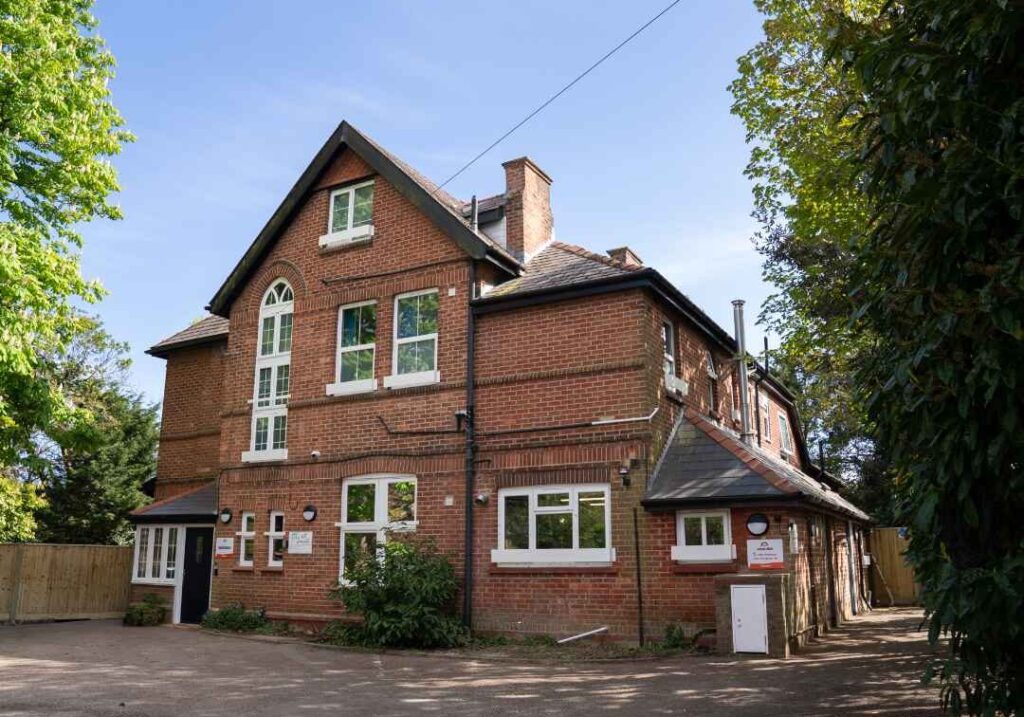
Introducing Langdon House
| 24/07/26We are pleased to announce that Langdon House in Poole has now officially (re)opened!
Read more